How Lighting Design Is Transforming Modern Architecture
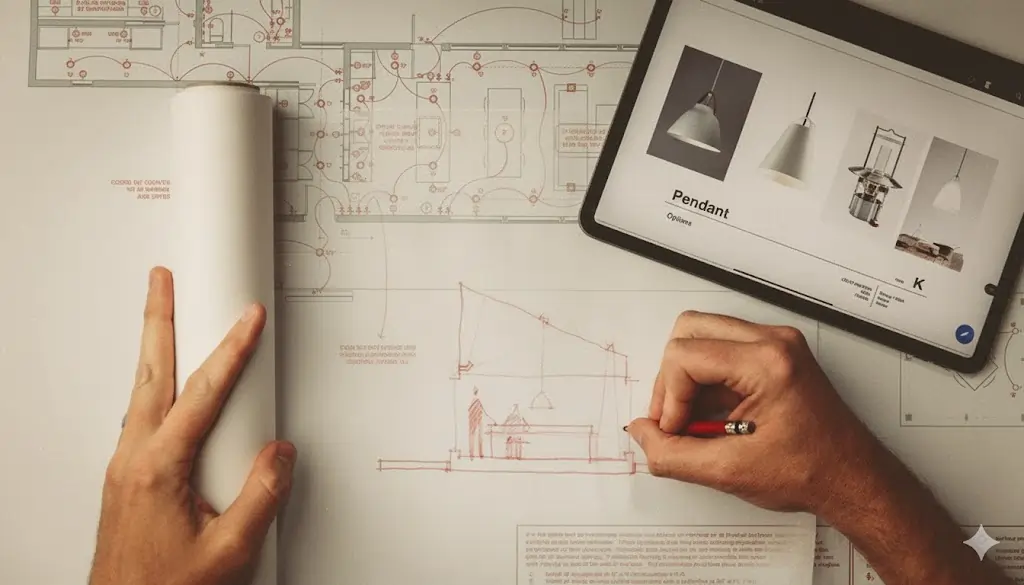
Lighting design has evolved far beyond basic illumination. Today, it plays a defining role in how architecture is experienced, understood, and remembered. In modern architecture, light is no longer an afterthought—it is a design element that shapes space, emotion, and identity
One of the most significant shifts in architectural lighting design is its focus on human experience. Thoughtfully designed lighting supports visual comfort, influences mood, and aligns with natural circadian rhythms. In homes, workplaces, hotels, and public spaces, light is now designed to enhance wellbeing, productivity, and emotional connection.
Lighting as a Design Element
Defining Form and Identity
Lighting helps architecture communicate its identity. Through contrast, shadow, and layering, designers reveal textures, materials, and structural intent. Facades gain character after dark, interiors feel more dimensional, and architectural storytelling becomes stronger through light.
Sustainability Through Light
Modern lighting design prioritizes energy efficiency and responsible illumination. Reduced light pollution, efficient luminaires, and thoughtful control strategies support sustainable architecture without compromising visual quality
A Collaborative Future
Lighting design now thrives on collaboration between architects, lighting designers, engineers, and specialists. This integrated approach ensures light works seamlessly with architecture, enhancing both form and function.
Sustainability is also shaping modern architectural lighting. Designers now prioritize efficient luminaires, responsible material choices, and reduced light pollution. The goal is not only to create beautiful spaces but also to respect the environment and long-term operational efficiency.
Ultimately, lighting design is transforming modern architecture by bridging form, function, and feeling. It enhances how buildings perform during the day and how they communicate at night. When thoughtfully planned, light becomes an invisible guide—supporting architecture while quietly elevating the way people experience space
Lighting design is no longer an accessory—it is transforming modern architecture by shaping spaces that are meaningful, comfortable, and visually compelling.
Conclusion
Lighting design has become a powerful force in modern architecture, shaping how spaces look, feel, and function. By blending technology, sustainability, and human-focused design, lighting continues to elevate architecture, creating environments that are visually engaging, comfortable, and meaningful for everyday life.